
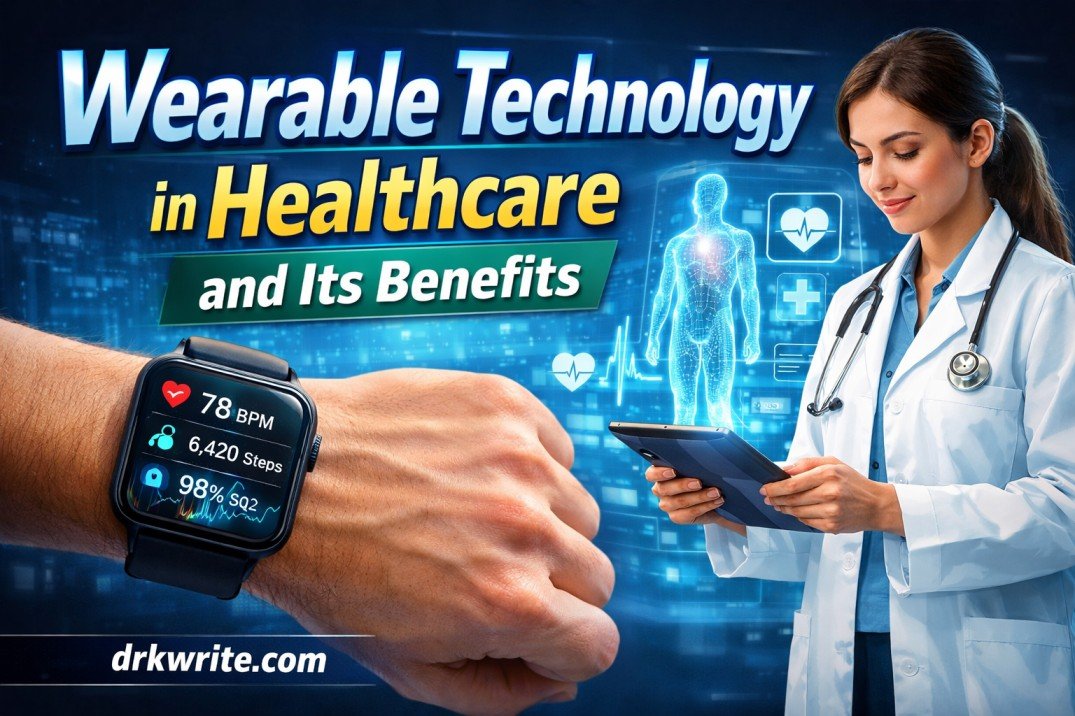
Wearable technology has come a long way. It started with fitness trackers. Now, wearable technology is a powerful tool in healthcare. Today, devices like smartwatches, glucose monitors, and biosensor patches are used to prevent, diagnose, and manage diseases. Wearable technology is also used to provide care to patients.
These devices are no longer add-ons to healthcare. Wearable technology is now a part of healthcare conversations. This article will explain how wearable technology works, its benefits, and the challenges wearable technology faces. It will also provide recommendations for clinicians, administrators, and patients who want to use technology responsibly and effectively.
How Wearable Technology Works
At its core, wearable technology is about collecting data from the body. Devices use sensors to collect activity data. These sensors can track heart rate, movement, and even the levels of chemicals in the body. The devices then send this data to a smartphone or cloud-based platform for analysis.
The data is then turned into metrics that can be used by clinicians. For example, heart rate variability, glucose trends, rends and oxygen saturation levels can all be tracked. This data can be used to detect problems with technology and provide more personalized care to patients.
What makes technology so powerful is that it provides continuous data. Clinicians can see trends developing over days, weeks or months with technology. This is much better than getting snapshots of data during clinic visits.
Key Clinical Applications
Cardiac monitoring is one area where wearable technology is being used. Devices like smartwatches and wearable patches can detect heart rhythms with technology. This can help diagnose problems with technology and provide more timely treatment.
Glucose management is another area where wearable technology is being used. Continuous glucose monitors provide near-real-time glucose readings and trend data for people living with diabetes using technology. This can help reduce the risk of hypoglycemia and improve glucose control with technology.
Respiratory and oxygen monitoring is also an area where wearable technology is being used. Wearable pulse oximeters and multi-sensor patches can monitor oxygen saturation and respiratory patterns with technology. This can be especially useful for patients with a disease using wearable technology.
Activity, sleep, and rehabilitation are also areas where wearable technology is being used. Devices can track activity level,s sleep patterns, and even guide rehabilitation exercises with technology. This can help clinicians provide care to patients using wearable technology.
Chronic disease management and remote monitoring are also areas where wearable technology is being used. Integrated platforms can combine wearable technology data with services to manage heart failure, hypertension, and diabetes with technology. This can help reduce hospital readmissions and provide intervention when problems arise with wearable technology.
Proven Benefits
One of the benefits of technology is that it allows for early and timely intervention. Continuous monitoring can detect problems with technology, which can lead to better outcomes.
Wearable technology also encourages self-management and adherence to treatment plans. Patients can track their data. Make changes to their lifestyle and medication regimen as needed with wearable technology.
Another benefit of technology is that it can reduce healthcare utilization. Remote monitoring programs can lower emergency department visits and hospital readmissions in groups using wearable technology.
Wearable technology can also improve decision-making. Continuous datasets provide trends that can complement signs, which can lead to personalized treatment planning with wearable technology.
Finally, wearable technology can enhance research and population health. Large datasets can be used to identify health patterns, evaluate interventions, and guide public health strategies with technology.
Limitations and Risks
While wearable technology has benefits, wearable technology also has some limitations and risks. One of the limitations is that not all devices are accurate or validated. Diagnostic or therapeutic decisions should only be made using devices with wearable technology.
Another limitation is that wearable technology can create data overload and workflow integration challenges. Clinicians can be overwhelmed by the amount of data, which can lead to missed events and burnout with technology.
Privacy and security are also concerns with technology. Devices collect health data, which must be protected with encryption and transparent consent processes with wearable technology.
Equity and access are also concerns with technology. Device cost, smartphone dependence,e and digital literacy barriers can widen health disparities with technology. Programs must include reimbursement strategies and support systems for populations that may be left behind with technology.
Liability considerations are also important with technology. Healthcare teams must understand approvals. Clarify clinical responsibility for monitoring alerts, especially when remote data informs decision-making with wearable technology.
Best Practices for Implementation
To implement technology effectively, ly clinicians and administrators should select validated devices that are supported by peer-reviewed validation studies or regulatory clearance with wearable technology.
Clear workflows should be established for alert review, triage thresholds, escalation pathways, and documentation procedures with technology. This can help prevent missed events and reduce burnout with technology.
Wearable technology data should be integrated with health records and care platforms using standards with technology. This can improve efficiency and clinical usability with technology.
Patients should be provided with education and support on how to use technology devices correctly, interpret data, and seek in-person care when needed with wearable technology.
Data protection is also crucial with technology. Implementing privacy-by-design principles, limiting data retention to necessity, and obtaining consent can help build trust with patients using technology.
Future Directions
Wearable technology devices will continue to become smaller, more accurate, and more comprehensive with technology. Multi-parameter capabilities, including sensing, continuous electrocardiogram monitoring, and non-invasive blood pressure tracking,g are advancing rapidly with technology.
As these technologies integrate with services, remote therapy, and personalized algorithmic care, preventive medicine, and chronic disease management will likely expand with technology. However, sustained success will depend onthe implementation of equitable access and the continued generation of quality evidence with wearable technology.
Wearable technology is already strengthening care in ways that wearable technology. Wearable technology supports detection, improves self-management,t reduces healthcare utilization, and provides data for clinicians and researchers with technology.
To safely and equitably realize these benefits, stakeholders must select technology devices, define structured clinical workflows, protect patient data, and actively address access barriers with wearable technology. When implemented thoughtfully, wearable technology can serve as a bridge between life and formal healthcare, improving outcomes and overall care experience with wearable technology.
If you are a clinician or health system leader planning a technology program focused on wearable technology devices, clear protocols, and strong patient education with wearable technology. With implementation wearable technology can deliver clinical value while maintaining safety and trust, with wearable technology.
Disclaimer:
This article is for educational purposes only and does not replace professional medical advice, diagnosis, or treatment. Always consult a qualified healthcare provider regarding personal health concerns.

I am a final-year MBBS candidate. After years of watching patients misunderstand their own diagnoses, I started writing — because accurate health information should not require a medical degree to understand. I specialise in health, health tech, and public health content, combining clinical training with a passion for making medicine accessible to everyone.”
2 thoughts on “Wearable Technology in Healthcare and Its Benefits”