Introduction: Medicine Has Always Been About Access
For thousands of years, the greatest challenge in medicine was not knowledge. It was access. Surgeons learned how to repair the heart, but they had to cut through the chest to reach it. Oncologists learned what cancer looks like under a microscope, but they had to flood the entire body with toxic drugs just to reach a single tumor. The history of medicine is, in many ways, a long story of brilliant minds trying to solve one fundamental problem: how do you fix something so small, so deep, and so fragile without destroying everything around it?
In 2026, that story is entering a new chapter. The answer, it turns out, may not involve a scalpel at all. It may involve an injection.
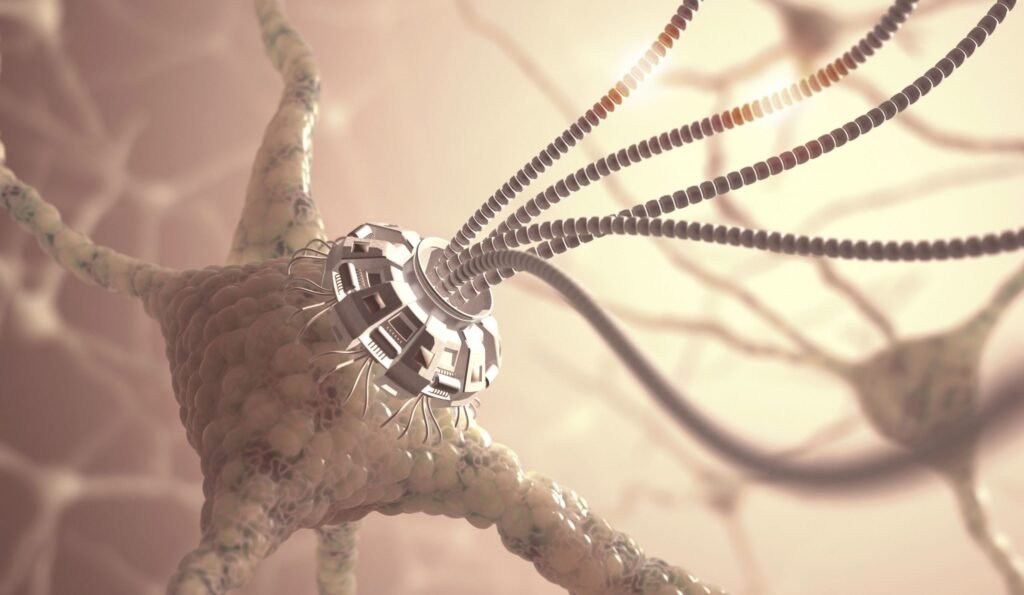
Medical nanorobots are microscopic machines engineered to work at the nanoscale, between 1 and 100 nanometers in size. To put that in perspective, a single human hair is approximately 80,000 nanometers wide. These devices are so small they can travel through your bloodstream, squeeze between individual cells, and interact directly with your DNA. They are not science fiction. They are the subject of published research in journals like Nature, Chemical Society Reviews, and Frontiers in Robotics and AI, and several are already in advanced preclinical stages as of early 2026.
This article explores what medical nanorobots are, how they work, what they can treat, and what still needs to be solved before your doctor can prescribe them. As a clinician who has watched patients suffer through the side effects of traditional chemotherapy and the long recoveries of open surgery, I can tell you that the promise of this technology is not just scientific excitement. It is deeply personal.
Disclaimer: This article is for educational purposes only. Always consult a licensed medical professional for personal health decisions.
How Nanorobots Navigate the Bloodstream
One of the most common questions I hear from patients and students alike is a practical one: if these machines are injected into the body, how do they know where to go? The bloodstream is not a simple pipe. It is a vast, branching network of arteries, veins, and capillaries spanning nearly 100,000 kilometers in a single adult human. Directing a microscopic robot through that network is an extraordinary engineering challenge, and researchers have found several elegant solutions.
Propulsion Systems: How Nanorobots Move
Published research in Frontiers in Chemistry (2025) identifies four primary methods by which micro and nanorobots generate movement inside the body.
Chemical Fuel Propulsion is among the earliest and most studied methods. In this approach, a catalyst built into the nanorobot reacts with a chemical fuel already present in the biological environment, such as hydrogen peroxide or glucose. This reaction converts chemical energy into kinetic energy, propelling the device forward without any external battery or power source.
Magnetic Field Guidance is currently the most promising method for clinical use. External electromagnets placed around the patient generate a controlled magnetic field. Nanorobots built from magnetically responsive materials are steered through this field with remarkable precision. Research published by Martel and colleagues at Polytechnique Montreal has demonstrated this method in animal models, including successfully navigating nanobots through complex arterial systems toward the liver using an MRI machine as both a guidance and imaging tool.
Acoustic and Ultrasound Propulsion uses focused sound waves to push or vibrate nanorobots in a specific direction. This method is particularly valuable for navigating narrow spaces where magnetic gradients are difficult to control. A 2025 review in Frontiers in Robotics and AI notes that the kinetic behavior of nanorobots in this mode is governed by controllable external parameters, including the frequency and intensity of the ultrasound beam.
Bioenergy and Enzymatic Propulsion is perhaps the most futuristic approach. In this model, nanorobots are powered directly by enzymes present in the body, essentially using the patient’s own biological chemistry as a fuel source. A 2023 review in Nature Reviews Materials covered enzyme-powered nanorobots specifically designed for biomedical applications, confirming their practical potential.
AI Guidance and Swarm Control
Individual nanorobots have limited computational power. The real control comes from outside the body. Physicians use external imaging systems, including MRI and specialized sensors, to monitor the real-time position of thousands of nanorobots simultaneously, what researchers call a swarm. Artificial intelligence algorithms then process this data and adjust the external magnetic or acoustic fields to guide the swarm as a coordinated unit toward a specific organ or tissue. The nanorobot itself does not need to be intelligent. The intelligence lives in the system surrounding the patient.
Revolutionary Applications of Medical Nanorobots in 2026
The applications of this technology span virtually every major area of medicine. Below are the four most significant areas of development that current peer-reviewed literature has confirmed or is actively investigating.
Targeted Cancer Treatment: Chemotherapy Without Collateral Damage
This is the application that has attracted the most research attention and, frankly, the one I am most excited about as a clinician. Traditional chemotherapy is a blunt instrument. When a patient receives intravenous chemotherapy, the toxic drugs travel through the entire body, destroying healthy cells alongside cancerous ones. The result is the devastating side effect profile that many patients know all too well: hair loss, severe nausea, immune suppression, and organ damage.
Nanorobots offer a fundamentally different approach. A landmark study published in 2025 in the Chemical Society Reviews described how self-propelled injectable nanorobots demonstrate superior tumor accumulation, deeper tissue penetration, and enhanced cellular internalization compared to passive drug carriers. Instead of flooding the entire body with a toxic agent, the nanorobot carries the chemotherapy drug inside a sealed compartment and releases it only when it detects the specific chemical markers produced by cancer cells, such as the characteristic acidic pH of a tumor microenvironment.
Research on DNA origami nanorobots has been particularly promising. A widely cited 2018 study by Li et al. engineered a tubular DNA nanorobot that loaded thrombin inside a sealed tube and released it specifically within tumor vasculature, cutting off the blood supply to the tumor. The study showed strong anticancer efficacy with low systemic toxicity in preclinical settings, and translational trials are now underway.
For brain cancer specifically, a 2026 review published in PMC highlighted that programmable nanorobots combining enzymatic propulsion, biomimetic coatings, and pH-responsive targeting can actively cross the blood-brain barrier and release drugs directly at tumor sites. This is significant because more than 98% of conventional drugs cannot penetrate this barrier at all, which is why brain cancers like glioblastoma remain so difficult to treat.
Instant Clot Dissolution: A New Era for Stroke and Heart Attack Response
A heart attack stroke occurs when a clot blocks blood flow to the brain. Every minute of delay causes the death of approximately 1.9 million neurons. Current treatment using clot-dissolving drugs, known as tPA, has a narrow time window of 4.5 hours and carries significant risk of dangerous bleeding. Nanorobots designed specifically for thrombolysis, or clot dissolution, represent a potentially transformative improvement.
Because nanorobots can be guided directly to the precise location of a clot and release their dissolving agents locally rather than systemically, they dramatically reduce the risk of bleeding in unintended areas. Theoretical models suggest this targeted approach could clear blocked vessels up to 20 times faster than systemic medication, though clinical human trials for this specific application are still in early phases as of 2026.
Microsurgery Inside the Brain and Eyes
Some of the most medically significant structures in the human body, including the retina, the inner ear, and the deep nuclei of the brain, are also among the most difficult to operate on. Any incision risks catastrophic and irreversible damage. Nanorobots capable of performing delicate repairs at a cellular level, guided by external imaging, could theoretically accomplish procedures that no human surgeon’s hand could ever safely attempt.
Research published in Frontiers in Robotics and AI (2025) specifically discusses nano bio-robots designed to navigate through ocular barriers and deliver anti-VEGF agents precisely to the retina for conditions including macular degeneration and retinal vein occlusion. The researchers note that traditional intravitreal injection is inefficient because passive diffusion delivers only a restricted amount of drug to the retina, while vitreous clearance reduces drug exposure time. Nanorobots address both problems simultaneously.
Artificial Red Blood Cells: The Concept of Respirocytes
Perhaps the most visionary application in this space is the concept of artificial blood cells, formally called respirocytes, first theorized by nanorobotics pioneer Robert Freitas Jr. in the 1990s. A respirocyte is a nanorobot designed to replicate and surpass the oxygen-carrying function of a natural red blood cell. Theoretical calculations suggest a respirocyte could carry up to 200 times more oxygen than a biological red blood cell, which would have profound implications for treating anemia, supporting patients during surgery, and even extending the window of survival after cardiac arrest.
As of 2026, respirocytes remain largely in the theoretical and early modeling stage, but the foundational engineering concepts are being actively refined by research teams worldwide.
The Core Benefits of Nanorobots Over Traditional Medicine
Having practiced conventional medicine for five years, I can articulate these advantages not just academically but from direct clinical observation of what traditional treatments cost patients in terms of quality of life.
Precision at the Molecular Level
The precision of nanorobotic treatment is categorically different from anything medicine has previously achieved. A surgeon operating under a microscope is working at the millimeter scale. Nanorobots operate at the nanometer scale, a difference of one million times. This means they can interact directly with individual cells, specific receptor proteins, and even targeted sequences of DNA. No scalpel, no laser, and no drug delivered through the bloodstream can match this level of accuracy.
Elimination of Systemic Side Effects
Because nanorobots deliver drugs locally and only to the target site, the rest of the body is not exposed to the therapeutic agent. In cancer treatment, this means no hair loss from chemotherapy that never touches a hair follicle. In cardiovascular treatment, it means no systemic bleeding risk from clot-dissolving drugs. The side effect profile of nanorobot-delivered therapy is, in principle, a fraction of what conventional systemic treatments produce.
Noninvasive and Rapid Recovery
Procedures that previously required open surgery, general anesthesia, weeks of inpatient recovery, and the risk of surgical site infection could, with mature nanorobot technology, be accomplished through a simple injection. The patient could walk in, receive the treatment, and walk out in the same day. For elderly patients, immunocompromised individuals, and those with comorbidities that make surgery dangerous, this represents not just a convenience but a lifesaving alternative.
Challenges: The Road to Global Adoption
I would be doing my readers a disservice if I presented this technology without an honest assessment of the obstacles that remain. The science is genuinely exciting, but clinical reality requires navigating a series of difficult problems that researchers are actively working to solve.
Immune Clearance: The Body Fights Back
The human immune system is extraordinarily effective at detecting and destroying foreign objects in the bloodstream. Nanorobots, no matter how carefully engineered, face the constant risk of being identified as pathogens and engulfed by macrophages or white blood cells before they can complete their task. Current research is addressing this through biomimetic coatings, essentially disguising nanorobots in a shell of proteins that mimic the surface of the body’s own cells, making them nearly invisible to immune surveillance.
Biodegradability: What Happens After the Mission
If nanorobots are made from synthetic materials and persist in the body after their job is done, they could accumulate in organs and cause long-term harm. The 2026 solution being most actively pursued is DNA origami construction. Nanorobots built from biological DNA strands can be programmed to self-degrade after a set period of time, breaking down into harmless nucleotide fragments that the kidneys can process and excrete naturally. This approach was pioneered in research dating back to 2018 and has matured considerably in the years since.
A 2025 review in Frontiers in Chemistry confirms that materials selected for micro and nanorobots must have the characteristics of low toxicity, good biocompatibility, degradability, and safe excretion to ensure the robots themselves do not disrupt the normal structure and function of the body.
Ethical and Security Concerns
This is an area where the medical and technology communities need to be proactive rather than reactive. Nanorobots operating inside the human body will, in sophisticated future iterations, collect biological data in real time, essentially functioning as internal sensors transmitting health information wirelessly to external systems. This raises serious questions about data ownership, privacy, regulatory oversight, and the theoretical risk of external interference with these systems.
These are not problems unique to nanorobotics, but they are made more urgent by the intimate nature of the technology. Medical governing bodies, bioethicists, and cybersecurity experts will need to be involved in the regulatory framework long before widespread clinical deployment.
Scalable Manufacturing and Regulatory Approval
Even a technology that works perfectly in a laboratory must eventually be manufactured at scale and approved by regulatory bodies like the FDA in the United States or EMA in Europe. The fabrication of nanorobots requires specialized cleanroom facilities and precision chemistry. Regulatory approval requires extensive long-term safety data in both animal models and human trials. These processes take time, and they should. The standards exist to protect patients.
Key Research Supporting This Article
- Anto, Mukherjee and Mukherjee (2025): Nano bio-robots as a new frontier in targeted therapeutic delivery. Frontiers in Robotics and AI, Vol. 12.
- PMC Review (2026): Nanorobots crossing the blood-brain barrier for targeted chemotherapy. Published January 2026.
- Frontiers in Chemistry (2025): Advances in micro and nanorobots for cancer diagnosis and treatment: propulsion mechanisms, early detection, and cancer therapy.
- Chemical Society Reviews (2025): Injectable nanorobots for precision cancer therapy: motion-enhanced drug delivery. RSC Publishing, Vol. 54, pp. 10487-10530.
- PMC (2023): Advances of medical nanorobots for future cancer treatments. Comprehensive clinical trial review.
Frequently Asked Questions
What are medical nanorobots?
Medical nanorobots are microscopic devices typically between 1 and 100 nanometers in size that are engineered to perform specific tasks inside the human body. These tasks include delivering drugs directly to diseased cells, dissolving blood clots, detecting cancer markers, repairing damaged tissue at a molecular level, and crossing biological barriers such as the blood-brain barrier. They are constructed from biocompatible materials including synthetic polymers, proteins, and biological DNA using a technique known as DNA origami.
Are nanobots currently being used in humans?
As of 2026, true nanorobots with fully autonomous navigation are not yet in routine clinical use. However, several nanorobot and advanced nanomedicine systems are in advanced preclinical trials, and some are in early-phase human clinical trials. Applications being actively trialed include targeted chemotherapy delivery, particularly for brain tumors and liver cancer, as well as blood clot intervention. Published results from preclinical settings show significantly higher efficacy and substantially lower systemic toxicity compared to conventional methods. Full clinical deployment is anticipated within the next five to ten years pending regulatory approval.
How do nanobots leave the body?
This depends on the specific design of the nanorobot. Modern medical nanorobots are predominantly designed to be biodegradable. Nanorobots built using the DNA origami technique are programmed to self-degrade after completing their mission, breaking down into harmless nucleotide fragments that the kidneys then filter and excrete through normal urinary function. Other nanorobot designs use synthetic biocompatible materials that are gradually metabolized. Researchers have confirmed that biodegradability and safe excretion are mandatory design criteria for any nanorobot intended for clinical use.
Can nanobots cure cancer?
The word cure carries significant clinical weight, and honesty requires a measured answer. Nanorobots are not a cure for cancer, but they represent one of the most powerful tools for treating cancer that science has ever developed. By delivering high doses of chemotherapy agents directly into a tumor while leaving surrounding healthy tissue untouched, they can dramatically increase the ratio of therapeutic benefit to toxic side effect. Preclinical studies have shown strong anticancer efficacy. In time, for certain cancer types that are currently extremely difficult to treat, such as glioblastoma, nanorobotic delivery systems may help transform a nearly always fatal diagnosis into a manageable condition.
Are medical nanorobots safe?
Safety is the primary concern governing the entire field of medical nanorobotics, and the research community takes it seriously. Current nanorobot designs prioritize biocompatibility, meaning they are built from materials that the human body can tolerate and process. Biodegradable designs ensure no accumulation in organs. Immune evasion coatings prevent dangerous inflammatory responses. That said, long-term safety data in human populations does not yet exist, which is why regulatory trials are ongoing. No patient should receive any nanorobot-based treatment outside of a properly regulated clinical trial setting at this time.
What is the future of nanotechnology in healthcare?
The trajectory of nanotechnology in healthcare points toward a fundamental transformation of how medicine is practiced. In the near term, the most realistic advances will come in oncology and cardiovascular disease, where targeted nanorobot delivery can address the most critical limitations of current therapies. In the longer term, researchers envision nanorobots capable of continuous health monitoring from inside the body, real-time detection of early-stage disease before symptoms appear, and even the repair of genetic abnormalities at a cellular level. The concept of precision medicine, treating each patient based on their unique biological profile rather than a population average, will be dramatically accelerated by mature nanorobot technology.
What are medical nanorobots?
Medical nanorobots are extremely small machines designed at the nanoscale (about 1–100 nanometers) that can perform specific tasks inside the human body. They are mainly used for targeted drug delivery, disease detection, and minimally invasive treatments.
Are medical nanorobots currently used in real patients in 2026?
As of 2026, medical nanorobots are mostly in the research and early clinical trial stage. Some prototypes are being tested for targeted drug delivery and cancer treatment, but they are not yet widely available for routine clinical use.
What are the main applications of nanorobots in medicine today?
Current applications include:
- Targeted drug delivery to specific cells
- Early disease detection using biosensors
- Cancer therapy and tumor targeting
- Minimally invasive surgical procedures
These applications aim to improve precision and reduce side effects compared to traditional treatments.
How are nanorobots used in cancer treatment?
Nanorobots are being designed to deliver drugs directly to tumor cells without damaging healthy tissue. Some advanced models can even detect cancer cells and release treatment only in the tumor environment, improving effectiveness and reducing toxicity.
What is the biggest advantage of medical nanorobots?
The biggest advantage is precision medicine. Nanorobots can target specific cells at the molecular level, which reduces side effects and improves treatment outcomes compared to conventional therapies.
What are the challenges of nanorobots in healthcare?
Major challenges include:
- Safety and biocompatibility
- Difficulty in controlling nanorobots inside the body
- High development costs
- Regulatory approval issues
These challenges are the main reason why the technology is not yet fully commercialized.
Are nanorobots safe for humans?
So far, safety is still being studied. Early experiments show promising results, but long-term effects and potential risks need more research before widespread human use is approved.
How big is the nanorobots healthcare market in 2026?
The medical nanorobotics market is growing rapidly and is estimated to reach over $8 billion in 2026, with strong future growth expected due to advancements in nanotechnology and precision medicine.
Can nanorobots cure diseases completely in the future?
Nanorobots have the potential to revolutionize treatment by repairing tissues, targeting diseases at the cellular level, and improving diagnostics. However, a complete cure for all diseases is still a future possibility and requires more research and development.
When will nanorobots become common in hospitals?
Experts predict that wider clinical use may happen in the next 5–15 years, depending on successful trials, safety approvals, and technological advancements. Currently, the field is progressing but not yet mainstream.
Final Thoughts from the Author
When I began my medical career, I watched patients endure months of chemotherapy that left them physically devastated, not always knowing whether the treatment would work. I have sat across from patients with inoperable brain tumors and had to explain that the blood-brain barrier makes most drugs useless. I have seen stroke patients arrive too late for tPA and lose critical neurological function because the current treatment window is simply too narrow.
Medical nanorobots will not solve every problem in medicine. No technology does. But for the specific problems of access, precision, and collateral damage that have defined the limits of conventional medicine for decades, they represent the most promising paradigm shift I have seen in my career. The science is moving fast. The ethical frameworks need to move with it. And patients deserve to understand what is coming, because it is being developed in their name.
Have questions about a specific condition or treatment? Leave a comment below.

I am an MBBS student and medical content writer specializing in health education, medical research, public health awareness, and informational guides. With a strong foundation in clinical knowledge and evidence-based medicine, I write accurate, SEO-optimized, and reader-focused articles. My content covers healthcare topics, medical updates, government welfare programs, and educational resources to help readers access reliable and up-to-date information. I am committed to delivering trustworthy, well-structured, and search-engine-friendly content that adds real value.
Pingback: Current Status of Nanobots in Medicine 2026: Applications, Breakthroughs, and Future of Healthcare – Truck Insurance