
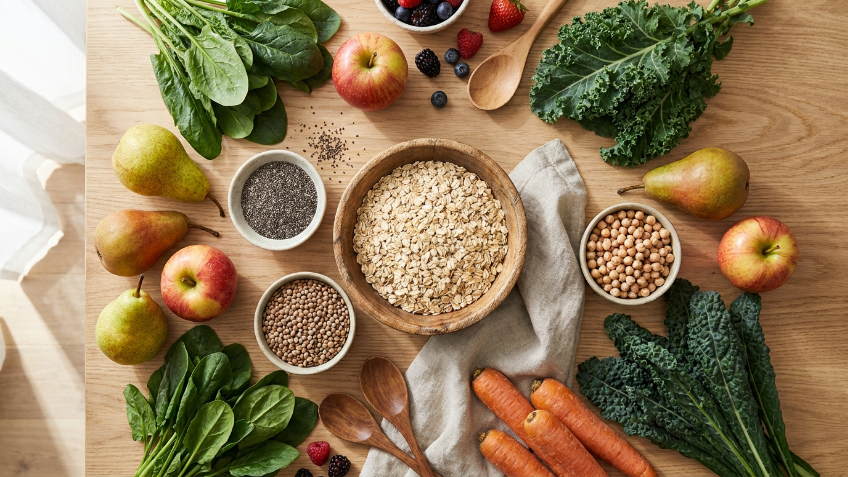
A few months ago, I kept seeing the same word pop up everywhere—on nutrition forums, in wellness newsletters, even in casual conversations with friends who don’t usually talk about digestion. The word was “fibermaxxing.” At first, I brushed it off as another one of those internet trends that sounds made-up until you actually dig into it. But the more I read, the more I realized this one has real substance; it taps into something I’ve been paying attention to in my own life for years: gut health.
I’ve dealt with my share of digestive ups and downs—the kind of post-meal bloating that makes you secretly unbutton your jeans under the table, or the “afternoon slump” that had nothing to do with sleep and everything to do with what I’d eaten that morning. So, when “fibermaxxing” started trending, I didn’t just want to write about it. I wanted to test it, understand it, and separate the hype from the actual science.
This article is the result of that experiment. It covers what fibermaxxing really is, why gut health has become such a massive conversation in 2026, and the practical, incremental changes that actually made a difference for me.
A quick but important note: I’m not a doctor, and this isn’t medical advice. If you’re dealing with persistent digestive symptoms, please talk to a healthcare provider. What follows is based on research and my personal experience, not a clinical recommendation.
What Is “Fibermaxxing,” Anyway?
At its core, fibermaxxing is a deliberate, enthusiastic push to increase your fiber intake—well beyond the “casual apple a day” baseline. It’s about being intentional: sneaking chia seeds into your oats, piling lentils into your lunch bowl, or ensuring you’ve got a mountain of veggies at dinner.
The reason it caught on isn’t just aesthetics or a passing fad. It’s part of a much-needed correction in the wellness world. For years, we’ve been obsessed with protein—protein shakes, protein bars, and “hit your protein goal” reminders. Fiber, meanwhile, was treated like an afterthought, despite the fact that most of us are severely undershooting our intake. Fibermaxxing has effectively flipped the script.
Why the Gut Suddenly Became the Main Character
If you’ve noticed gut health conversations everywhere, you aren’t imagining it. There is a growing recognition that the gut isn’t just about digestion—it’s command central for our immune function, mood, energy levels, and overall resilience.
This is why fiber matters. It isn’t just “roughage” that keeps you regular; it’s fuel for the trillions of bacteria living in your gut microbiome. Different fibers feed different strains of bacteria, and a diverse, well-fed microbiome is the foundation of digestive comfort.
My “Fibermaxxing” Reality Check
I’ll be honest: my first week was rough. I went from my usual diet (which was fine but pretty fiber-light—think white rice, chicken, and the occasional salad) to suddenly cramming beans, oats, flax, and cruciferous veggies into every meal.
The result? More bloating and gas, not less.
That was a crucial lesson: your gut is a creature of habit, and it needs a transition period. I learned the hard way that you have to ramp up fiber slowly and—perhaps most importantly—you need to massively increase your water intake. Without water, fiber can actually lead to the exact constipation you’re trying to fix.
By week three, however, the tide turned. I felt less bloated, more regular, and surprisingly, my afternoon energy levels leveled out. I can’t say it was a magic bullet, but it was enough of a change that it’s now a permanent part of my routine.
What High-Fiber Eating Actually Looks Like
If you want to try this without the trial-and-error I went through, focus on these two principles:
1. Prioritize Variety Over Volume
Don’t just eat more—eat differently. You want a mix of soluble fiber (oats, beans, lentils, chia) which forms a gel to slow digestion and feed bacteria, and insoluble fiber (whole grains, nuts, veggie skins) which keeps things moving. Diversity in your plants leads to diversity in your gut bacteria.
2. The “Slow and Steady” Routine
- Week 1–2: Add one high-fiber staple to each meal. (Oats at breakfast, beans at lunch, extra greens at dinner). Drink more water than you think you need.
- Week 3–4: Start swapping refined grains for whole-grain versions and introduce fermented foods like kefir or sauerkraut to support the “probiotic” side of the equation.
- Ongoing: Aim for a “rainbow” of plants throughout the week rather than repeating the same three things.
Common Pitfalls to Avoid
- Going too fast: Your gut bacteria need time to adjust to a higher load.
- Skipping water: Fiber needs hydration to do its job.
- Ignoring your body: If you have specific digestive conditions (like IBS), standard “fibermaxxing” advice might not apply to you. Talk to a pro.
- Looking for a quick fix: Real gut health shifts take time. Don’t expect a complete transformation in 48 hours.
The Bottom Line
Fibermaxxing isn’t a miracle cure, and it won’t fix a lifestyle built on poor sleep and high stress. It’s just one piece of the puzzle—but it’s an important one. For me, it’s been a simple, manageable way to feel a bit better in my own skin. If you’re curious, start small, listen to your body, and don’t feel pressured to go from zero to one-hundred overnight.

I am a final-year MBBS candidate. After years of watching patients misunderstand their own diagnoses, I started writing — because accurate health information should not require a medical degree to understand. I specialise in health, health tech, and public health content, combining clinical training with a passion for making medicine accessible to everyone.”