
Table of Contents
The average person consumes roughly 5 grams of plastic. That’s the weight of a credit card. It enters your bloodstream, crosses into your brain, and shows up in your unborn child’s amniotic fluid. And we’ve barely begun to understand what it’s doing.
WHAT ARE MICROPLASTICS
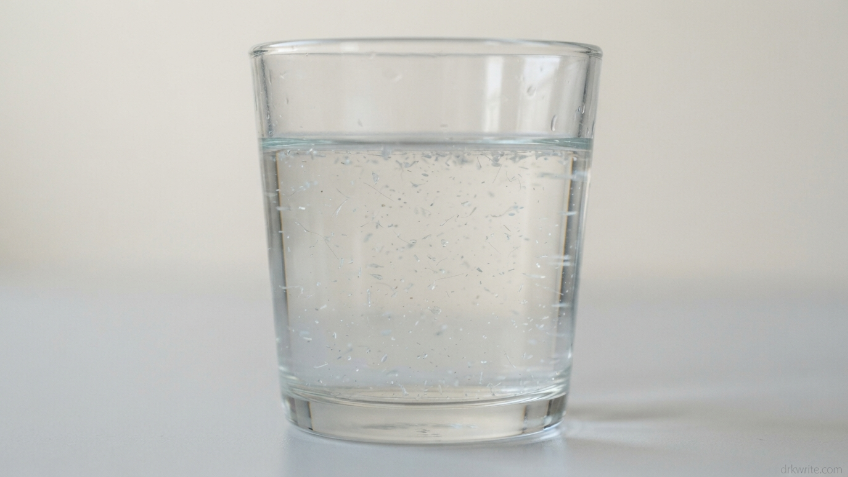
Microplastics are plastic particles smaller than 5 mm. They are invisible to the naked eye but large enough to cause serious harm inside the body. Nanoplastics are even smaller — less than 1 micron. Both can enter the human body through food, water, and air.
People in East and Southeast Asian countries inhale up to 2.8 million plastic particles every single day.
Studies are still ongoing, but early research already links microplastic exposure to inflammatory bowel disease, immune cell death, inhibited lung growth, and colorectal cancer. And that list is growing.
The problem isn’t just the plastic itself. Thousands of chemicals go into making plastic — including bisphenol A (BPA), a known hormonal and fertility disruptor. We understand only a fraction of what these chemicals are doing inside us.

Where Do Microplastics Come From?
Microplastics are everywhere. They come from:
Seafood, vegetables, tap water, and bottled water Synthetic textiles and clothing Tires, road markings, and city dust Personal care products and cosmetics Household items like scented candles, mattresses, and cleaning products Engineered plastic pellets used in manufacturing There is no environment free of microplastics. They are in the air you breathe, the food you eat, and the water you drink.
How Microplastics Damage Your Body
Once inside, microplastics don’t stay in one place. They travel. They settle in the lungs, kidneys, bloodstream, and brain. They cross the placental barrier and enter amniotic fluid. They even cross the blood-testes barrier, showing up in testicles and sperm.
In men, microplastic exposure has been linked to decreased sperm count, reduced sperm motility, and altered sperm morphology — all direct threats to fertility.
BPA, one of the most widely studied plastic chemicals, acts as a potent hormonal disruptor. Research has linked BPA exposure to:
Insulin resistance and type 2 diabetes Elevated IgE and interleukin-4 levels, which trigger allergies like hay fever Thickening of the left ventricular wall, directly affecting heart function Microplastics and Pregnancy Pregnancy does not protect against microplastics. It makes the stakes higher.
Microplastic and its effects on pregnancy
BPA mimics estrogen. The placenta has estrogen receptors, which means BPA can directly interfere with how the placenta functions. This disruption causes inflammation and oxidative stress, increasing the risk of premature birth and spontaneous abortion.
Babies born to mothers with high BPA exposure show slower growth rates in early life. Their hormonal environment was already disrupted before birth.
For the mother, microplastic exposure raises the risk of pregnancy-induced hypertension, gestational diabetes, and preeclampsia. Some studies also show that microplastics alter the maternal gut microbiome, potentially triggering metabolic disorders during and after pregnancy.
What Microplastics Are Doing to Your Brain
What Microplastics Are Doing to Your Brain The brain accumulates 7 to 30 times more plastic than any other organ in the body. That number alone should stop you in your tracks.
Micro and nanoplastics cross the blood-brain barrier in both adults and developing fetuses. During fetal development, BPA directly interferes with the dopamine and serotonin systems — the chemical foundations of brain development.
Early dopamine disruption permanently alters the sensitivity of reward circuits. Serotonin disruption during fetal development has been linked to increased vulnerability to depression, anxiety disorders, and autism.
In adults, the picture is equally alarming. One study found that brains of people with dementia contained 10 times more plastic than healthy brains. Researchers are still determining whether microplastics worsen dementia or simply accumulate more due to the disease process — but either way, the association is significant.
Once inside the brain, microplastics obstruct blood capillaries, disrupt connections between nerve cells, and may trigger the buildup of amyloid and tau proteins — the same proteins central to Alzheimer’s disease
How to eliminate plastic from our daily life
You cannot eliminate microplastics entirely. But you can meaningfully reduce how much enters your body.
Filter your water. Use a reverse osmosis or activated carbon filter. Bottled water contains more microplastics than filtered tap water.
Avoid heating food in plastic. Heat accelerates the release of plastic chemicals into food. Use glass or stainless steel containers instead.
Reduce plastic food packaging. Choose fresh food over packaged where possible. Avoid cling wraps and plastic bags for food storage.
Ventilate your home. Indoor air contains higher microplastic concentrations than outdoor air. Open windows and use air purifiers with HEPA filters.
Choose natural fabrics. Synthetic clothing like polyester and nylon shed microplastic fibres with every wash. Switch to cotton, linen, or wool where possible.
Use a washing bag for synthetics. Bags like Guppyfriend catch plastic fibres before they enter waterways and eventually your food chain.
Conclusion
These findings represent only a fraction of the true impact of microplastics on the human body. The research is still in its early stages. There is still plenty to discover, explore, and confront.
But one thing is already clear, plastic is neither cheap nor convenient. We pay for its affordability and convenience with something far more expensive: our own health.
How much microplastic do we consume in a year
A research suggest that the average human consumes
~39,000 to 52,000 microplastic particles per year from food and drinks alone
~74,000 to 121,000 particles per year when you also include air inhalation
If you mostly drink bottled water, it can add ~90,000 extra particles per year
How much microplastic do we consume in a year
Research suggests that on average, a human being consumes:
~39,000 to 52,000 microplastic particles per year from food and drinks alone
~74,000 to 121,000 particles per year when you also include air inhalation
If you mostly drink bottled water, it can add ~90,000 extra particles per year
How much microplastic is in the human body in grams?
A widely cited estimate suggests:
~0.1 to 5 grams of microplastics may accumulate in a human body over time in average exposure

I am a final-year MBBS candidate. After years of watching patients misunderstand their own diagnoses, I started writing — because accurate health information should not require a medical degree to understand. I specialise in health, health tech, and public health content, combining clinical training with a passion for making medicine accessible to everyone.”