
Table of Contents
Hypertension The Silent Killer
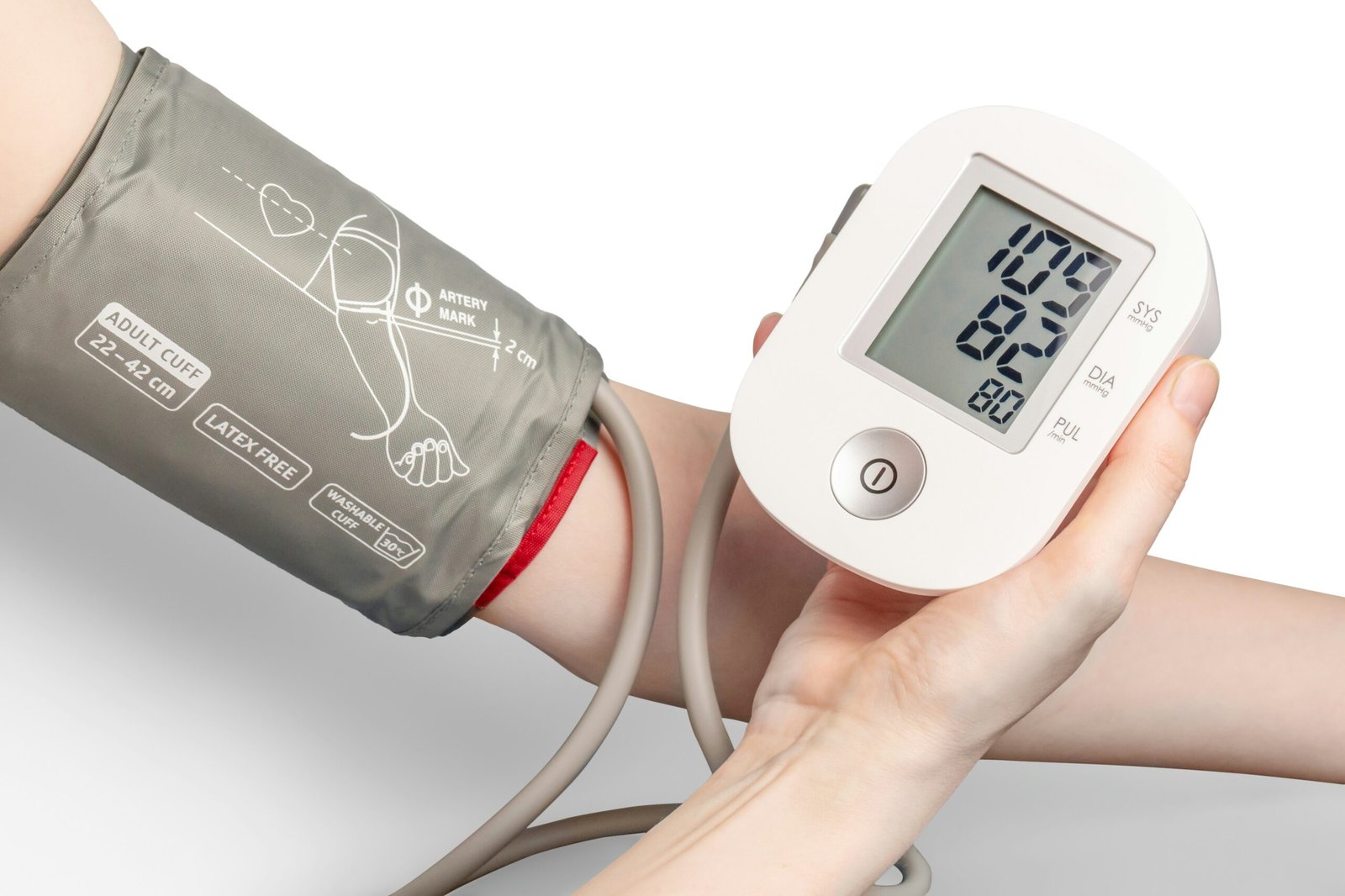
Most people who die from a stroke had no idea their blood pressure was dangerous. They felt fine — right up until they weren’t. Hypertension, or high blood pressure, is known as the ‘silent killer’ because it often lacks noticeable symptoms while silently damaging the heart, blood vessels, kidneys, and brain. When left untreated, it significantly increases the risk of heart attack, stroke, heart failure, and kidney disease. Many people remain unaware of their condition, regular blood pressure monitoring is crucial for early detection and prevention.
Understanding Hypertension: How it destroys your body
Hypertension is a silent killer causing over 10 million deaths across the world. It is known as a silent killer because it often causes no symptoms while damaging blood vessels. Death is due to its complications which include the stroke, heart attack, and kidney failure.
High blood pressure does not damage your body in just one way bu it attacks in two.
First, the constant pressure beats against your blood vessel walls every single day. Over time those walls get damaged, weak, and worn out. Your heart is forced to pump harder and harder just to keep up.
Second, high blood pressure speeds up a process called atherosclerosis , when fatty deposits start building up inside your arteries. Think of it like grease slowly clogging a pipe. The more it builds up, the narrower the pipe gets. The narrower the pipe gets, the harder it is for blood to flow through. And when blood cannot flow properly your heart, brain, and kidneys stop getting the oxygen they need. That is when the real danger begins, Stroke, Heart attack, Organ failure. These are not random events. They are the direct result of years of uncontrolled high blood pressure silently destroying your body from the inside.
5 Warning Signs Your Hypertension Has Become Dangerous
1) Blurred vision : the arteries in your eyes are so small and persistent high blood pressure damages those tiny arteries in your eyes, leading to eye strain, blurred vision, or sudden visual disturbances.
2) Sudden Morning Headache: When your blood pressure gets too high, your blood is pushing really hard against the walls of the vessels in your brain. Those vessels start to stretch and swell from all that extra pressure. The brain sends signals and causes headaches.
3) Chest tightness or pain: Long term high blood pressure forces the heart to work much harder than normal. Over time the heart muscle gets thick and stiff from constant strain. A thickened heart needs more blood and oxygen but the damaged vessels can’t always deliver enough. When the heart is starved of oxygen for too long, cells start to die. That’s when a heart attack or heart failure can happen. So if your chest hurts don’t wait. Get help right away.
4) Shortness of breath: When the heart gets damaged, it loses its ability to pump blood properly. The blood has nowhere to go, so it backs up into the lungs. Fluid starts to build up in the lungs, leaving less and less room for air. That’s why you feel short of breath even when you’re not doing anything.
5) Dizziness: Dizziness in hypertension can happen for several reasons. A sudden spike or drop in blood pressure disrupts the steady flow of blood to the brain, and the brain immediately reacts by making you feel dizzy or off balance. Persistent high blood pressure can also damage the tiny vessels inside the inner ear, which are responsible for keeping your body balanced. Medications used to treat high blood pressure can sometimes lower it too much, causing lightheadedness, especially when you stand up suddenly.
When to Seek Emergency Medical Attention (Hypertensive Crisis)
If your blood pressure is 180/120 or higher, it is not just the high, but the hypertension crisis. It is a medical emergency. You should not sit at home and wait for it to get better.
Call for help if you have high blood pressure along with the symptoms like
- chest tightness,
- palpitations,
- shortness of breath,
- Headache
- visual disturbance
Conclusion
Hypertension is not a condition you can feel, and that is exactly what makes it deadly. It works silently, damages quietly, and strikes without warning. But now you know what signs to look for. Do not wait for a crisis to take your blood pressure seriously.
Q1: Can you have hypertension with no symptoms?
Yes, High blood pressure usually has no symptoms, earning it the nickname “the silent killer.” You can have dangerously high blood pressure for years and feel fine. Regular blood pressure checks are essential for detection.
Q2: What does high blood pressure feel like?
High blood pressure often presents no noticeable symptoms. However, dangerously high blood pressure can cause morning headaches, blurred vision, chest tightness, shortness of breath, or dizziness. If you experience these symptoms, check your blood pressure right away.
Q3: Can high blood pressure cause headaches?
Yes, but only when blood pressure is severely elevated. A sudden, severe headache — especially in the morning- can be a sign that blood pressure has reached dangerous levels because extreme pressure causes blood vessels in the brain to stretch and swell. A mild, everyday headache is usually not caused by hypertension.
I am a final-year MBBS candidate. After years of watching patients misunderstand their own diagnoses, I started writing — because accurate health information should not require a medical degree to understand. I specialise in health, health tech, and public health content, combining clinical training with a passion for making medicine accessible to everyone.”